
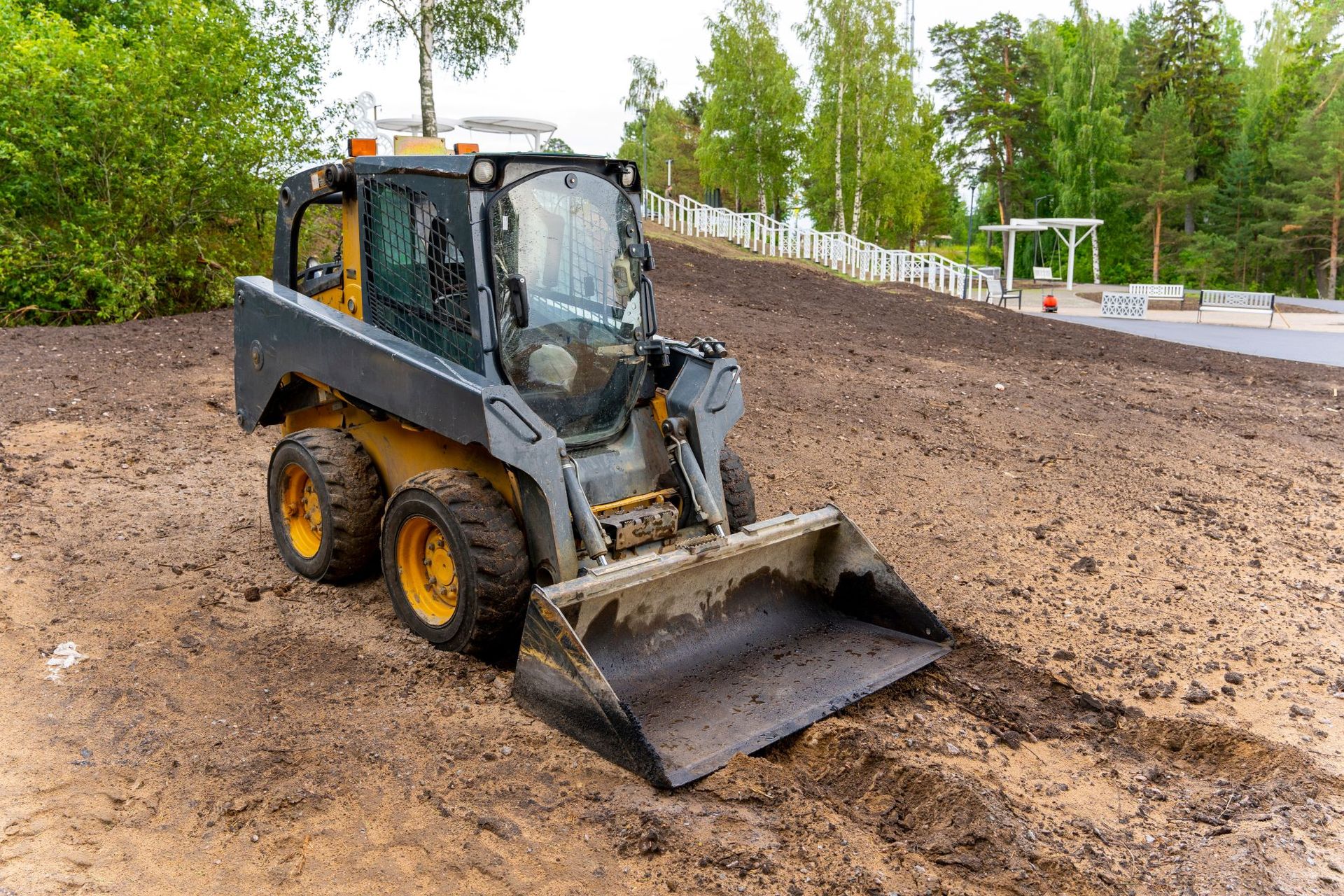
Open Ground Where Vegetation Blocked Use
Land Clearing in Mobile and surrounding areas for residential, commercial, and rural properties converting wooded or overgrown land into usable space
Wooded parcels and overgrown lots limit what property owners can do with their land, blocking access for vehicles, preventing development, and obscuring property lines and natural features. LA Land Management LLC performs land clearing across Mobile, Spanish Fort, Irvington, and neighboring communities, removing trees, brush, undergrowth, and unwanted vegetation so properties become functional for development, agriculture, recreation, or simply improved access and visibility. You bring in clearing when acquisition leaves land too dense to evaluate or use, when expansion requires opening adjacent acreage, or when years of neglect have turned accessible property into impassable thicket.
Complete removal addresses everything from small saplings to mature trees, with brush and ground vegetation cleared to expose soil and establish clean boundaries. Projects serve residential homeowners preparing for construction, commercial developers needing buildable sites, and rural landowners improving pasture or recreational acreage.
Request a site evaluation to assess vegetation density, equipment access, and what removal will accomplish for your intended property use.
What Land Clearing Actually Accomplishes
Clearing uses equipment that cuts, removes, and processes vegetation, with methods varying based on tree size, root systems, and whether stumps require extraction or grinding. Efficient equipment completes projects faster than manual methods, particularly on properties where dense undergrowth and overlapping canopy prevent even walking the land without cutting a path.
After clearing, you can walk or drive across the property without obstruction, see grades and drainage patterns that were previously hidden, and begin planning layouts for buildings, roads, or outdoor uses. Visibility extends across the entire parcel, making it easier to identify boundaries, evaluate topography, and spot features like rock outcroppings or wet areas that influence design decisions. Accessibility improves immediately, allowing vehicles, equipment, and construction materials to reach areas that were previously inaccessible without cutting temporary trails.
Environmentally responsible practices involve evaluating what vegetation truly needs removal versus what can remain for erosion control, wildlife habitat, or aesthetic value. Cleared material is processed based on your preference—hauled away, converted to mulch, or arranged into burn piles where local regulations allow controlled burning during appropriate seasons.
Answers to Frequent Land Clearing Questions
Property owners considering clearing want to understand methods, outcomes, and how the work fits into larger property improvement plans.
LA Land Management LLC handles land clearing projects that turn unusable property into functional space for your specific goals. Reach us at (251) 533-4001 to schedule a consultation and walk the property to identify clearing boundaries and project scope.
What's the difference between clearing and forestry mulching?
Clearing removes all vegetation and often includes stump extraction, leaving bare ground, while mulching grinds vegetation in place and leaves organic material spread across the surface, which works better when ground disturbance must stay minimal.
How does clearing improve property functionality?
Removal creates space for structures, roads, utilities, and outdoor activities while improving sight lines, drainage observation, and emergency vehicle access, which matters for rural properties distant from fire stations.
When should clearing happen relative to development plans?
Clearing typically occurs before surveys finalize and permits are submitted, giving engineers accurate topographic data and allowing officials to inspect cleared conditions during site plan reviews.
What happens to stumps after trees are removed?
Stumps can be ground below grade for construction sites, left in place and mulched over for erosion control, or extracted entirely when agricultural use requires root-free soil.
How does clearing affect drainage on the property?
Removing vegetation changes how water moves across the surface, sometimes revealing drainage problems that were hidden, which allows you to address grading and runoff management before construction rather than discovering issues afterward.